What does a craftsman
leave behind?
Training
Not technique alone,
but the spirit as well.
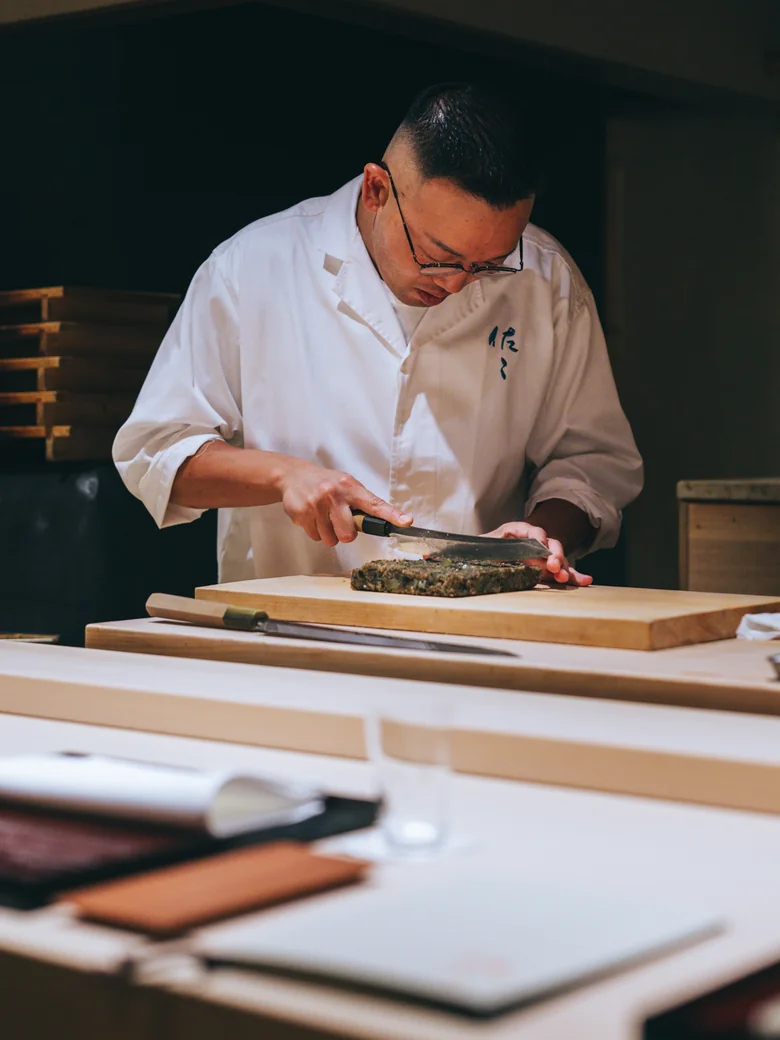
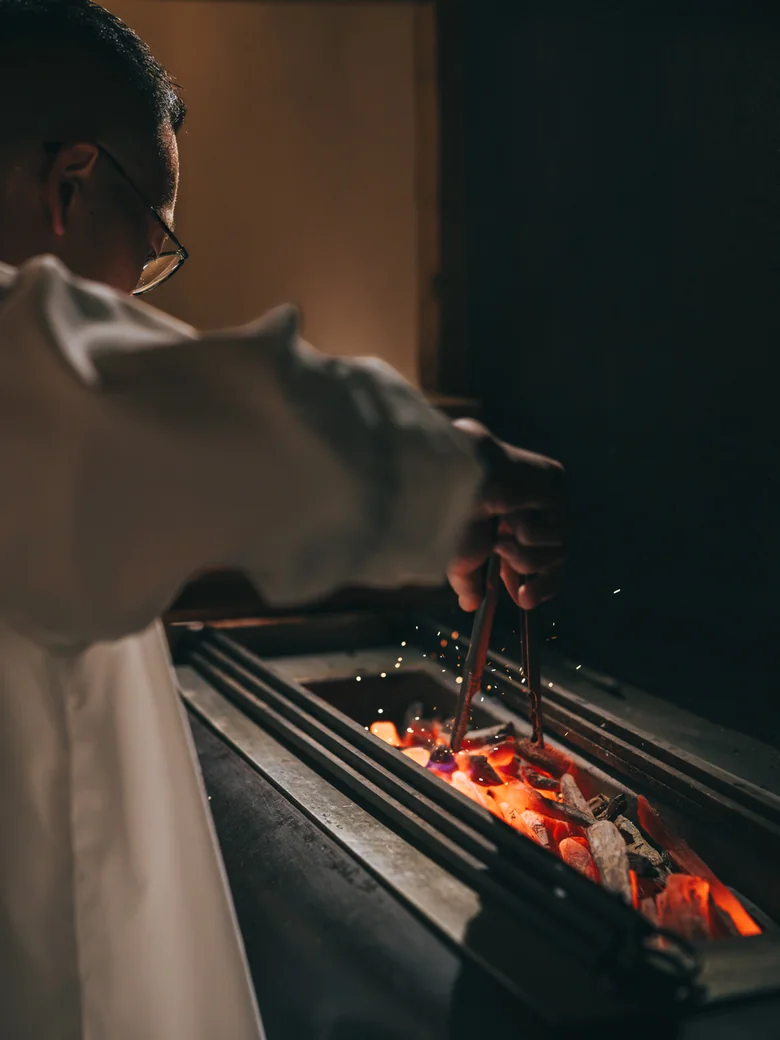
I do not think of training as time spent only learning technique. Work that looks identical every day never is: the ingredients differ, the fire differs, the water differs, and so does the person doing the work. Some days go well. Some days do not go as I intended. Continuing through that, one slowly builds the capacity to see and to think.
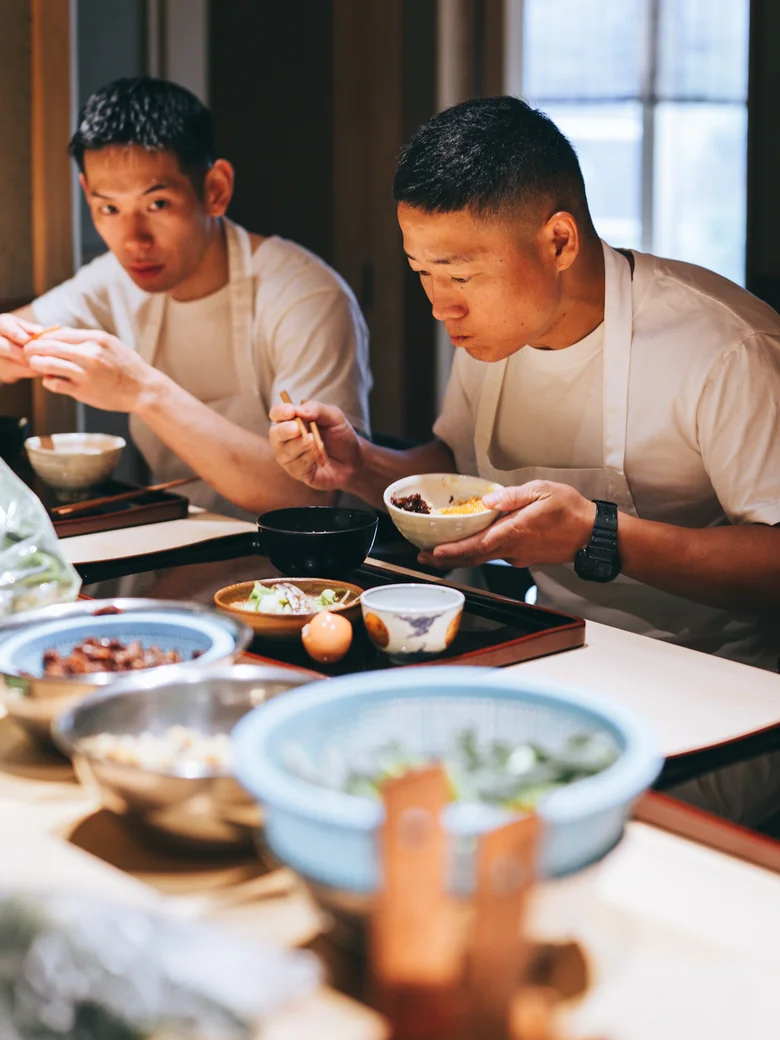
Knife work, dashi, the application of heat, cleaning, the handling of tools, conduct, and greetings. Repeating each of these builds not only technique but concentration, patience, and resolve.
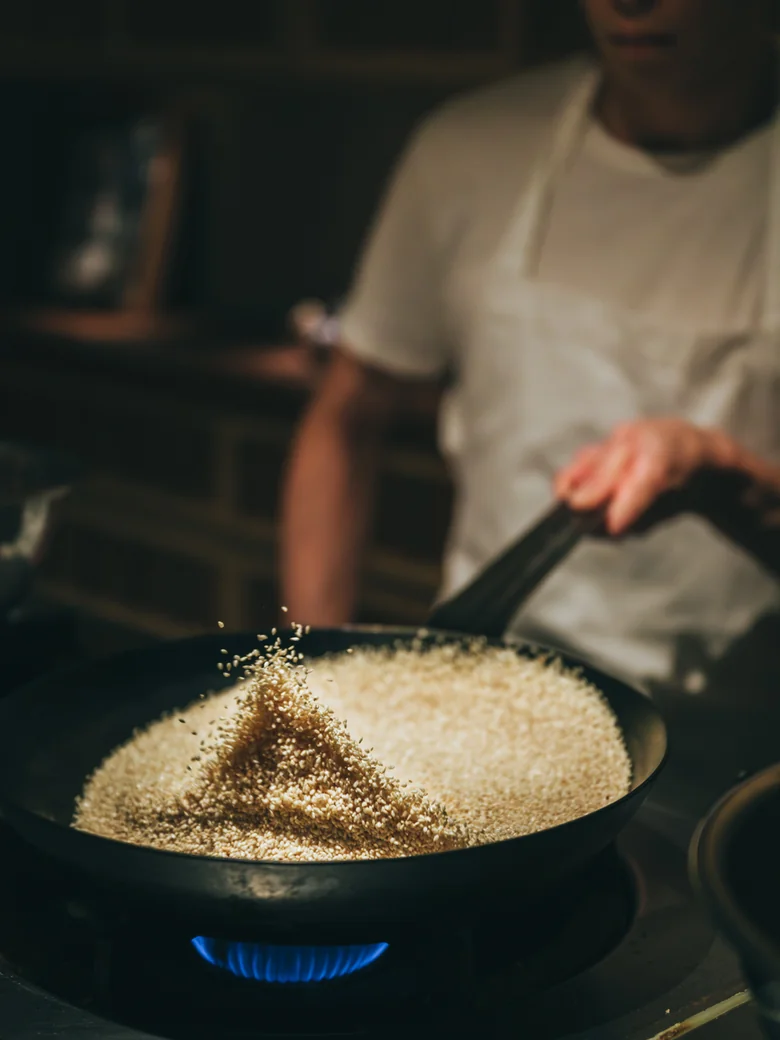
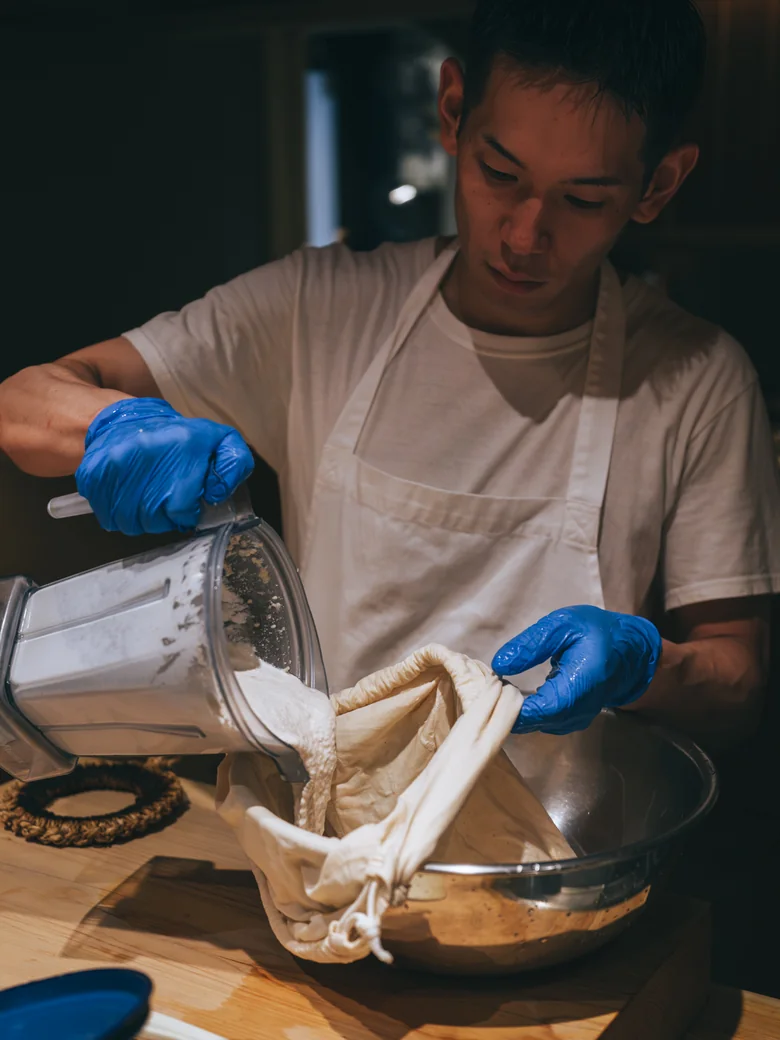
In cooking, answers often do not come quickly, and some things remain unclear after many years. Each time, I look at the ingredient again, think again, and do it again. Through that, slowly, the work deepens.
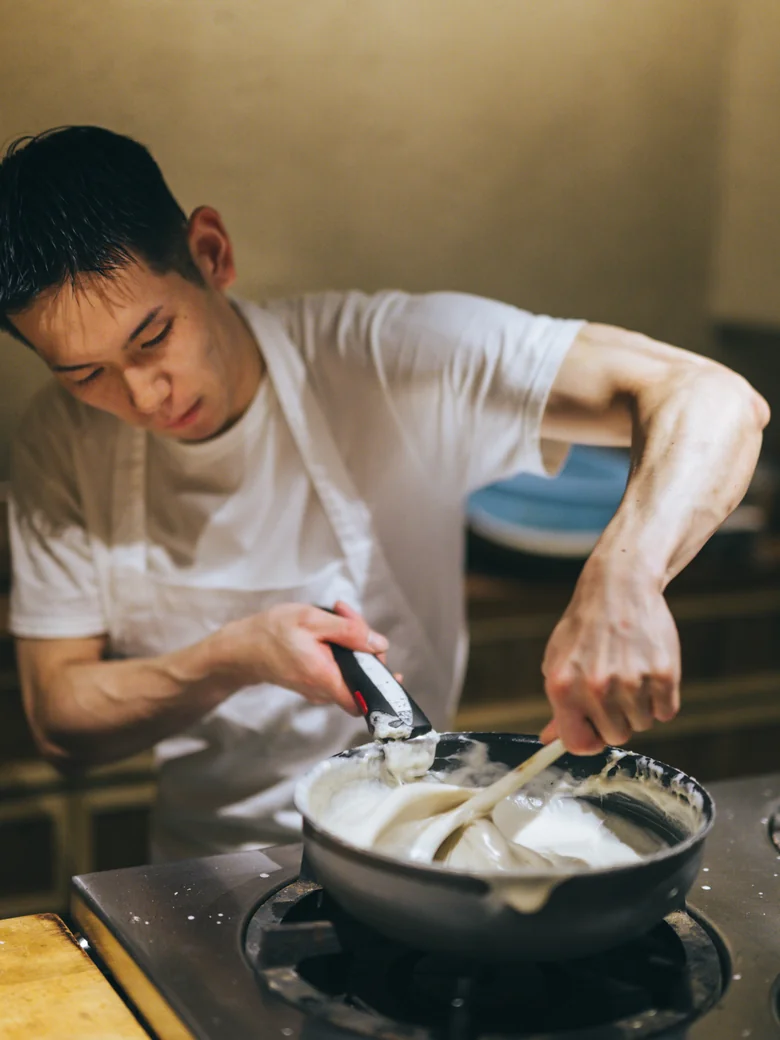
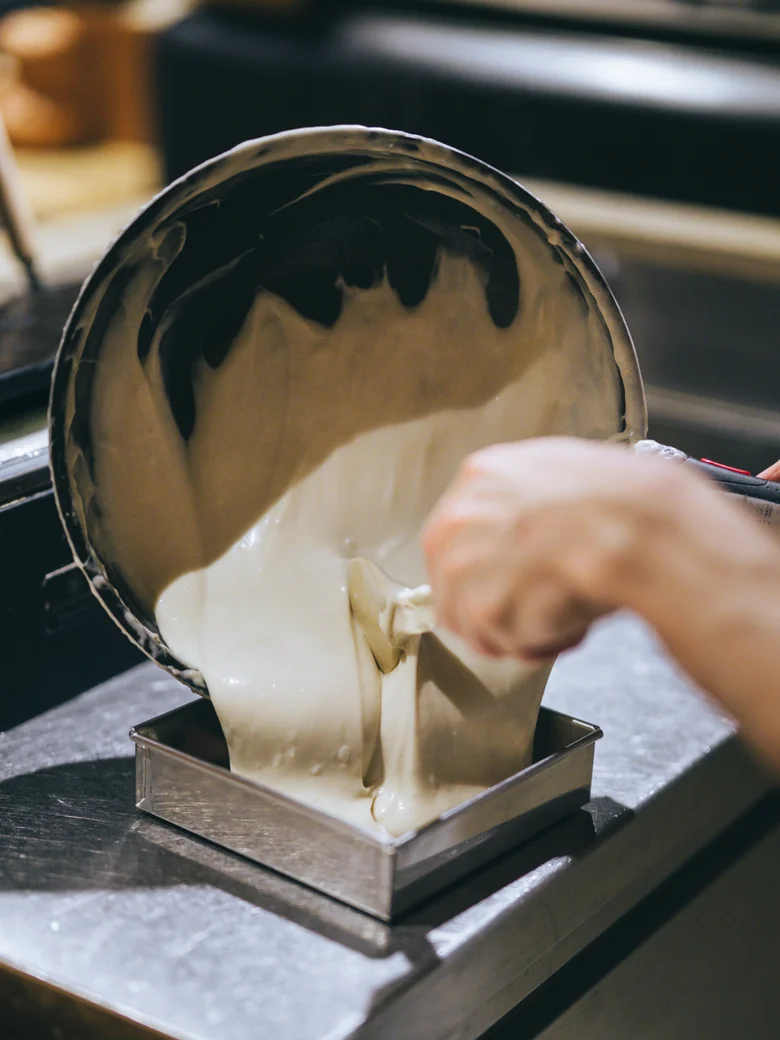
I do not believe the severity of the old days should simply be preserved as it was. But I also believe there are things that cannot be learned by choosing only what is easy.
Refining technique, strengthening the mind, facing oneself — all of it belongs to training.
I am still in the middle of it myself.
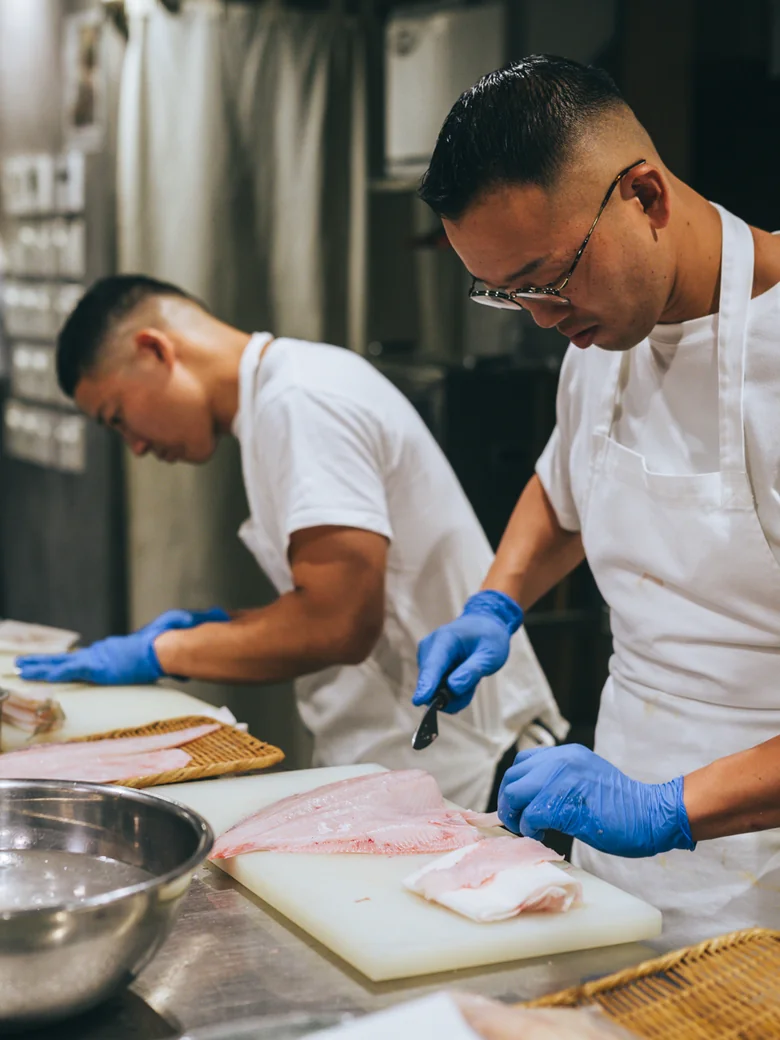
Yuki Sassa
From the lower years of elementary school, I wanted to cook. I entered the profession at eighteen, and at twenty-four I left for Shanghai.
Leaving Japan made me look at Japanese cuisine from the outside. Using ingredients in season, changing the work according to the condition of a fish or a vegetable, cooking rice, drawing dashi, handling fire and water — in Japan these had seemed self-evident. Abroad, they were nothing of the kind.
That experience left me with a stronger conviction that Japanese cuisine does not consist of technique alone. It lives in the climate and ingredients of Japan, in a sense of season, and in work repeated day after day.
Even now, with Sassa open in Hiroo, there is something to learn in the work of every day. I want to keep looking at ingredients, keep cooking, and let the work deepen a little at a time.
Transmission
Not fixed ratios,
but judgment.
I do not think cooking is something one can do by memorizing ratios and procedures.
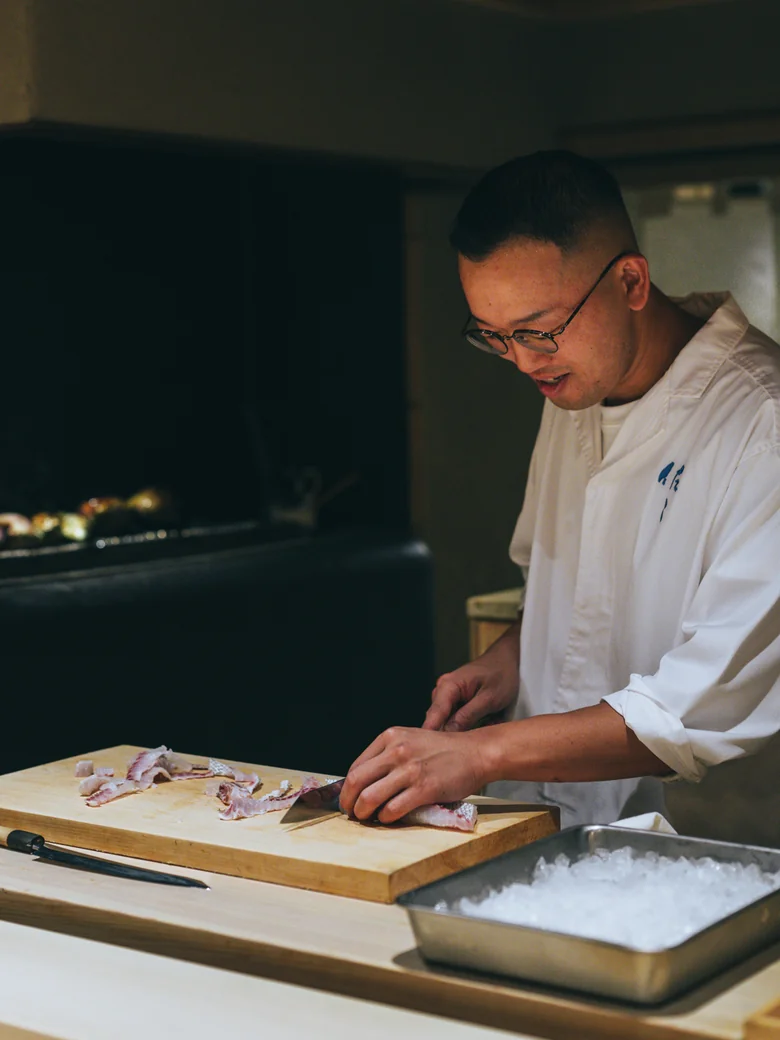
Even among red sea bream, no two fish are in the same condition. First I look at the whole fish — the color and sheen, the eye, the gill, the firmness of the belly — and touch it to read the flesh. Then the skin, the aroma, the fat, the moisture, until I understand the state that fish is in now.
Only then do I consider what it should become, and what balance the day calls for. So the idea of always using the same ratio to reach the same flavor is not how I work.
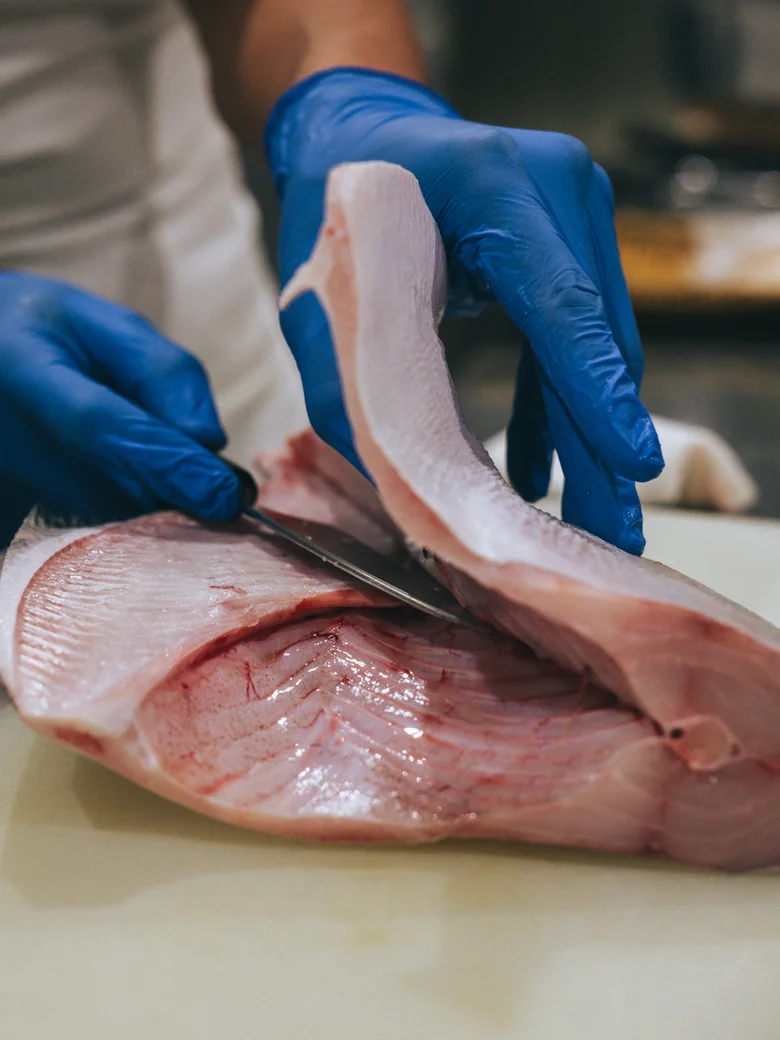
What matters is not memorizing a fixed answer. It is becoming able to look at an ingredient, think for oneself, and decide the balance that day requires.
See the essence of the work and judge for yourself.
Repeat that, and what grows is not only technique but the spirit of a craftsman. Keeping sight of what matters, and carrying that spirit forward — that is the transmission I want to protect at Sassa.
What Sassa Wishes to Leave Behind
What do we hold to
when we cook?
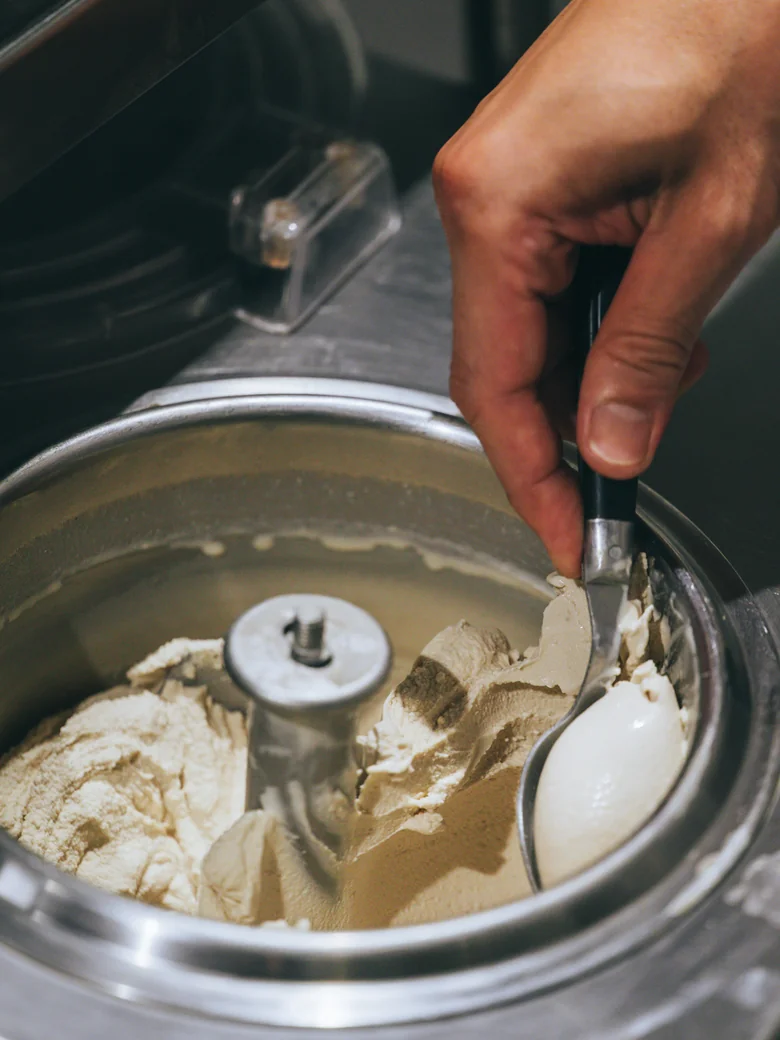
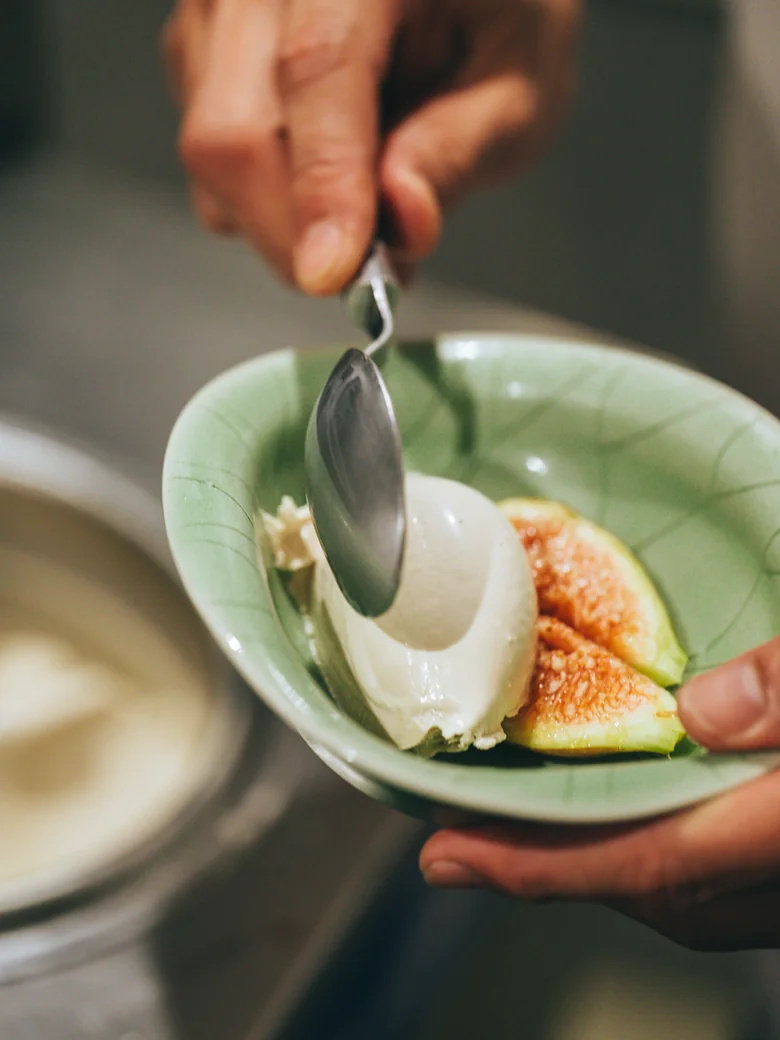
I do not believe what matters in cooking is following trends or competing in novelty. Unfamiliar combinations or presentations staged to surprise do not, by themselves, determine the value of a dish.
I look at the ingredient and understand its condition that day. From there I consider the balance of fire, water, dashi, and rice, and search for the most honest way to bring out the character it already has. Rather than applying a fixed ratio or procedure, I look at the day's ingredients and judge for myself.
That requires not only technique but a way of facing the work. What I want to leave behind is not one fixed form of cooking. It is the act of seeing into an ingredient, thinking for oneself, and deciding the day's work. I hope that thinking and that spirit reach the cooks who train here, and go deeper still in the work each of them does.
Cooking will change with the times. But there is no need for the axis of the cooking to shift every time a fashion does.
What do we hold to when we cook? That is the one thing I do not want to change.
What Sassa wishes to leave behind is not the cooking alone, but the way one stands before it.